Decolonising Museums
Decolonising museums isn’t part of a ‘culture war’. It’s about keeping them relevant | Dan Hicks
Let’s be open to the idea of returning stolen cultural objects, and remaking international relationships with honesty, asks academic Dan Hicks
Mexico Apologises to Indigenous Maya
‘Terrible abuse’: Mexico apologises to Indigenous Maya people
The apology marked the 500th anniversary of the Spanish conquest and 200 years of Mexican independence from Spain.
Supaman – Decleration of Independence
A hard truth exposed by the 27th grievance—and its racist depiction of Native Americans as “merciless Indian savages” In this way, the 27th grievance helped lay the foundation for an American nationalism that would demonize the continent’s indigenous people, especially when they resisted American aggressions.
The Shameful Final Grievance of the Declaration of Independence
The revolution wasn’t only an effort to establish independence from the British-it was also a push to preserve slavery and suppress Native American resistance.

Indigenous Gardening
Because these wild-looking forest gardens don’t fit conventional Western notions of agriculture, it took a long time for researchers to recognize them as a human-created landscape at all.
https://www.sciencemag.org/news/2021/04/pacific-northwest-s-forest-gardens-were-deliberately-planted-indigenous-people
How America Invented Race

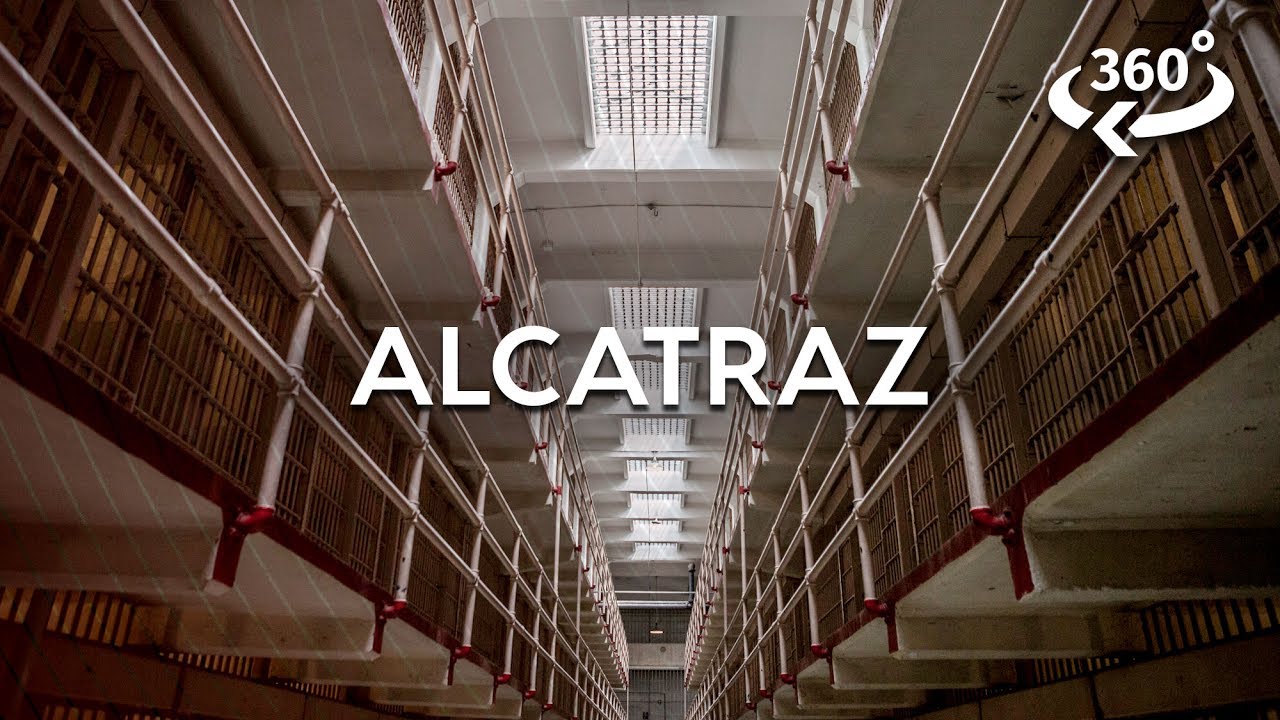
Alcatraz Occupation At 50: Richard Oakes And Red Power
Kent Blansett is a Cherokee, Creek, Choctaw, Shawnee, and Potawatomi descendant from the Blanket, Panther, and Smith families. He is the Langston Hughes Associate Professor of Indigenous Studies and History at the University of Kansas. His latest book, 18 years in the making, is the first biography to explore the dynamic life and times of Akwesasne Mohawk student leader Richard Oakes, who was a key figure in the 1969 takeover of Alcatraz Island by the organization Indians of All Tribes.

From Alcatraz to Standing Rock
Stories
The Winter Solstice Begins a Season of Storytelling and Ceremony
In the Northern Hemisphere, the December solstice is the year’s day of least sunlight, when the sun takes its lowest, shortest path across the sky. North of the Arctic Circle, it is the midpoint of the period of darkness, when even twilight doesn’t reach the horizon.
Audio of indigenous languages saved by optical scanning
Optical scan technology is helping researchers at the University of California (UC), Berkeley, preserve audio of 78 indigenous California languages, most of which were recorded more than a century ago. The recordings are on approximately 2,700 wax cylinders that are now barely audible due to issues such as mold. These are the only known sound recordings for several of the languages, and in many other cases, the recordings include unique speech practices and otherwise unknown stories and songs.
Saving Rare Indigenous Language [Audio] | Science Nation
No Description